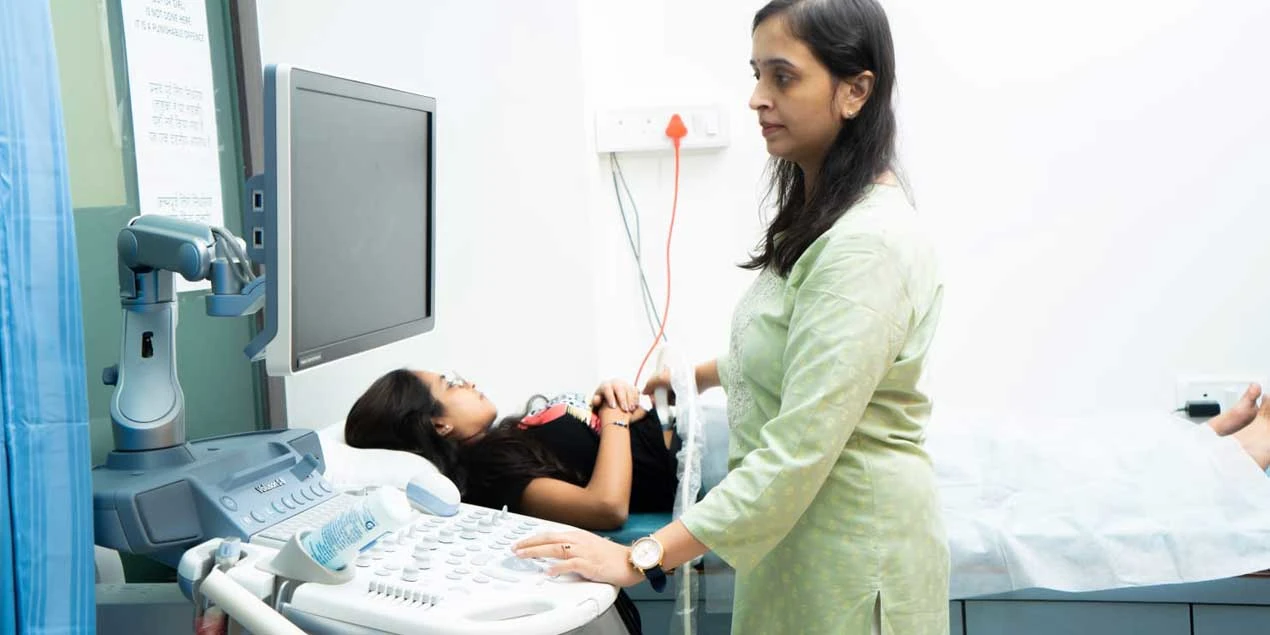


In certain pregnancies, advanced diagnostic procedures such as amniocentesis and chorionic villus sampling (CVS) may be recommended to obtain more accurate information about fetal health. These procedures are performed when screening tests or scans indicate the need for detailed genetic evaluation.
Although the term “invasive testing” can sound intimidating, these procedures are carefully performed under ultrasound guidance by trained fetal medicine specialists.
What is Amniocentesis?
Amniocentesis involves collecting a small sample of amniotic fluid to analyse fetal chromosomes or genetic conditions. It is usually performed after the first trimester when additional diagnostic clarity is required.
What is Chorionic Villus Sampling (CVS)?
CVS involves taking a small sample from the placenta and is typically done earlier in pregnancy compared to amniocentesis.
When Are These Procedures Recommended?
-
High-risk screening results
-
Abnormal NT or anomaly scan findings
-
Known genetic conditions in family history
-
Previous pregnancy with chromosomal abnormalities
Key Points to Understand
- Procedures are performed with ultrasound guidance
- Detailed counselling is provided beforehand
- Decisions are based on individual medical needs
Preparing for Diagnostic Testing
Before any procedure, parents receive clear explanations about:
- Why the test is suggested
- Possible outcomes
- Next steps after results
Conclusion
Invasive prenatal diagnostic procedures provide accurate answers when further evaluation is needed. With expert guidance and careful planning, these tests help families make informed decisions about pregnancy care.