
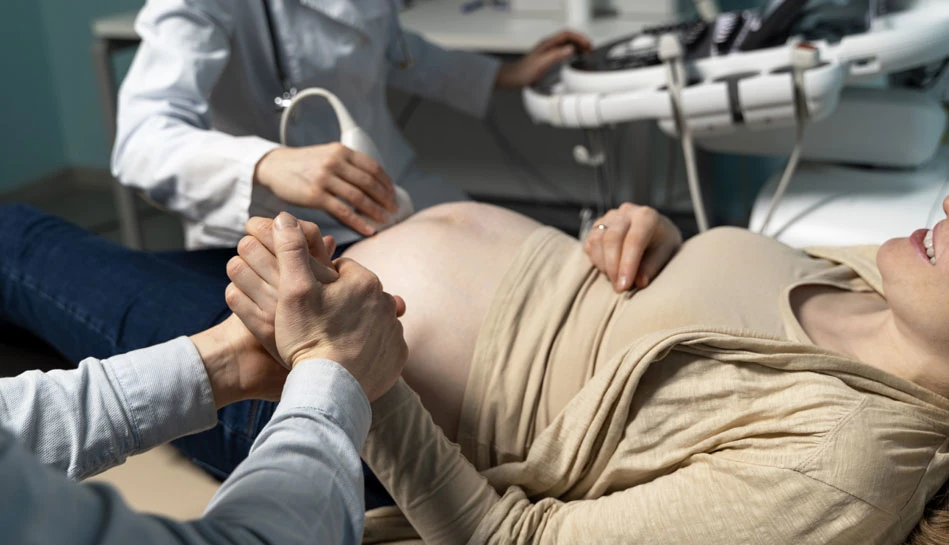
Pregnancy care sometimes requires advanced diagnostic testing to understand the baby’s genetic and chromosomal health in greater detail. Invasive prenatal diagnostic procedures are specialized medical tests recommended when screening results indicate a higher risk of certain genetic conditions or when there is a need for more accurate confirmation.
These procedures involve collecting a small sample of cells from the pregnancy environment, which are then analyzed to identify chromosomal abnormalities or inherited conditions. Unlike routine screening tests, diagnostic procedures such as Amniocentesis and Chorionic Villus Sampling (CVS) provide definitive information about the baby’s genetic health.
At Fetal View Sonography Centre, these procedures are performed under the supervision of Dr. Pranita Mahashabde, a fetal medicine specialist with advanced training in prenatal diagnosis. The focus is on ensuring precise testing, maintaining the highest safety standards, and providing clear counselling to help parents understand the results and possible next steps.
Located in Vile Parle West, Mumbai, the centre offers comprehensive fetal diagnostic services, including screening scans, genetic counselling, and invasive prenatal testing under one roof.
Certain pregnancies may require deeper genetic evaluation beyond routine scans and screening tests. Invasive prenatal diagnostic procedures help provide accurate information about the baby’s chromosomal and genetic health.
These procedures are recommended only when medically necessary. Factors such as abnormal screening results, advanced maternal age, family history of genetic conditions, or findings during fetal scans may lead to further diagnostic evaluation.
With modern techniques and expert fetal medicine guidance, invasive tests are performed safely and accurately. Proper counselling before and after the procedure helps parents make informed decisions about pregnancy care.


“In some pregnancies, additional testing may be recommended to better understand the baby’s genetic health. Invasive prenatal diagnostic procedures help confirm certain chromosomal or genetic conditions when screening results indicate a possible concern. With expert evaluation, precise ultrasound guidance, and clear counselling, parents receive accurate information and supportive guidance during this stage of pregnancy.”
When detailed genetic evaluation is required during pregnancy, specialized diagnostic procedures may be recommended. These tests provide highly accurate information that helps doctors and parents better understand the baby’s health.
Amniocentesis is a prenatal diagnostic procedure usually performed after the 15th week of pregnancy. During this test, a small amount of amniotic fluid surrounding the baby is collected using a fine needle under ultrasound guidance.
The fluid contains fetal cells that are analyzed in the laboratory to detect chromosomal abnormalities, genetic disorders, and certain inherited conditions. Amniocentesis is often recommended when screening tests show a higher risk for genetic conditions.
Chorionic Villus Sampling (CVS) is an early prenatal diagnostic test typically performed between 11 and 14 weeks of pregnancy. The procedure involves collecting a small sample of placental tissue called chorionic villi.
These cells contain the same genetic information as the baby and can be analyzed to identify chromosomal abnormalities and certain genetic disorders. Because CVS is performed earlier in pregnancy, it allows parents to receive diagnostic information sooner.
When screening tests or ultrasound findings indicate a possible concern, diagnostic procedures help confirm the baby’s genetic health with greater accuracy.

The process begins with reviewing medical history, screening results, and ultrasound findings to determine whether invasive prenatal testing is recommended.
Procedures such as CVS or amniocentesis are performed under ultrasound guidance to ensure precision and safety while collecting the required sample.
The collected sample is analyzed in a specialized laboratory. After results are available, detailed counselling is provided to help parents understand the findings and available options.
Undergoing diagnostic testing during pregnancy can feel overwhelming for many parents. Clear information, expert guidance, and supportive counselling are essential during this time.
Doctors carefully review screening results and ultrasound findings to determine whether diagnostic testing is appropriate.
The procedure is performed using ultrasound guidance to ensure accuracy and minimize risks.
After the laboratory analysis, parents receive detailed explanations of the results along with guidance for further pregnancy care.

All scans are performed under the supervision of Dr. Pranita Mahashabde, a fetal medicine specialist with advanced expertise in prenatal diagnosis, ensuring accurate evaluation and compassionate care for every pregnancy.
Trustindex verifies that the original source of the review is Google. I had a wonderful experience during my anomaly scan with Dr. Pranita. My baby was being shy and not revealing the face, but she was incredibly patient and kind throughout the process. Instead of rushing through, she asked me to wait and took the time needed to get all the important details. Her calm and cooperative nature made me feel truly cared for. I'm very grateful for her professionalism and compassion. Highly recommend her to any expecting motherPosted on GoogleTrustindex verifies that the original source of the review is Google. Supportive & positive ambience with lower rates as compared to market. Must recommended.Posted on GoogleTrustindex verifies that the original source of the review is Google. Posted on GoogleTrustindex verifies that the original source of the review is Google. Posted on GoogleTrustindex verifies that the original source of the review is Google. Posted on GoogleTrustindex verifies that the original source of the review is Google. Posted on GoogleTrustindex verifies that the original source of the review is Google. Posted on GoogleTrustindex verifies that the original source of the review is Google.
Invasive prenatal diagnostic procedures are specialized tests performed during pregnancy to confirm certain genetic or chromosomal conditions in the baby. These tests involve collecting a small sample of cells from the pregnancy environment for laboratory analysis.
The most common procedures include amniocentesis and chorionic villus sampling (CVS). Unlike screening tests that only estimate risk, these diagnostic procedures provide more accurate information about the baby’s genetic health.
Invasive prenatal tests are usually recommended when screening results or ultrasound scans suggest a higher risk of genetic or chromosomal abnormalities. They may also be advised in cases of advanced maternal age, family history of genetic conditions, or unusual findings during pregnancy scans.
A fetal medicine specialist carefully evaluates these factors before recommending procedures like amniocentesis or CVS.
Amniocentesis is generally considered a safe and commonly performed prenatal diagnostic test when done by an experienced specialist. The procedure is carried out under ultrasound guidance to ensure accuracy while collecting a small amount of amniotic fluid.
Most women can resume normal activities soon after the test, and the procedure helps provide important diagnostic information about the baby’s health.
Both CVS (Chorionic Villus Sampling) and amniocentesis are diagnostic tests used to detect genetic and chromosomal conditions. The main difference is the timing and the type of sample collected.
CVS is usually performed earlier in pregnancy, around 11–14 weeks, and involves collecting placental tissue. Amniocentesis is typically done after 15 weeks and involves collecting amniotic fluid surrounding the baby.
If you are looking for invasive prenatal diagnostic procedures in Mumbai, you can consult Fetal View Sonography Centre in Vile Parle West. Procedures such as amniocentesis and CVS are performed under the supervision of Dr. Pranita Mahashabde, a fetal medicine specialist experienced in prenatal diagnosis and high-risk pregnancy care.
Get expert guidance, detailed evaluation, and personalised support at every stage of your pregnancy journey.

Fetal View Sonography Centre offers specialised fetal scans, echocardiography, genetic counselling, and prenatal diagnosis.
© 2026 Fetal View Sonography Centre. All Rights Reserved.
Dr. Pranita Mahashabde – Fetal View Sonography Centre
Typically replies within minutes
Any questions related to Invasive Prenatal Diagnostic Procedures?
Feel free to reach out for expert advice.
WhatsApp Us
We’re Here to Help | Safe & Confidential
WhatsApp us